 BudgetStyleHub
 How to Look Expensive on a Budget: Fabric, Fit and Care
Updated 2026-10-06 · 3 min read
“Expensive-looking” has little to do with price tags. It comes from clothes that fit, fabrics that hold their shape, a calm color palette and pieces that look cared for. All of that is within reach on a small budget if you know what to look for.
Fabric: the first thing people notice
Before you check the price, touch the fabric and hold it to the light.
| Looks polished | Looks cheap |
|---|---|
| Heavier cotton T-shirts that hold their shape | Thin jersey you can see your hand through |
| Matte finishes | Shiny, plastic-looking polyester |
| Wool, cotton, linen, or blends with some natural fiber | 100% acrylic sweaters that pill quickly |
| Denim with some weight and little stretch | Very thin, super-stretchy “jeggings” |
| Smooth, even knit | Loose, uneven knit with snags |
Quick in-store tests:
- Scrunch test: squeeze a corner for a few seconds. If it stays crumpled, it will look wrinkled all day.
- Light test: hold it to the light. If you see through a T-shirt, so will everyone else.
- Seam test: gently pull at a seam. Gaps or loose threads mean it will not last.
- Label check: read the fiber content. Even a small share of cotton or wool usually improves feel and look.
When shopping online, read reviews for words like “thin,” “see-through” and “pilled,” and look at customer photos taken in daylight.
Fit and tailoring: the real secret
Fit is the single biggest difference between budget and luxury clothes. Designer pieces often look good because they are cut for the body and tailored. You can copy that cheaply:
- Hem pants to the right length. Pants that bunch at the ankle look sloppy; a clean break looks intentional.
- Take in the waist of pants and skirts that gap at the back.
- Shorten sleeves so jackets and shirts end at the wrist bone.
- Swap buttons on a blazer or coat for heavier ones; plastic buttons are an easy giveaway.
Learn a basic hand hem, or find a local tailor for the pieces you wear most. Buy for the widest part of your body and tailor the rest. See our size guide for online fashion to get closer before you even order.
Color and pattern
- Choose neutrals like black, navy, camel, cream, gray and white for most pieces.
- Go tonal: wear shades of one color head to toe. It looks deliberate and elongates the silhouette.
- Limit loud prints. Busy prints show low-quality printing and are memorable, so repeating them is obvious.
- Skip big logos. Visible branding on budget clothes often looks like trying too hard.
- Coordinate metals: keep jewelry, belt buckles and bag hardware in one tone.
A capsule wardrobe under 100 puts this into practice with a two-neutral, one-accent plan.
Shoes, bags and small details
- Clean shoes do more than new ones. Wipe sneakers, polish leather, replace worn laces.
- Structured bags in a neutral color look sharper than slouchy ones, and are easy to find secondhand.
- Simple jewelry: one or two small pieces beat many costume pieces.
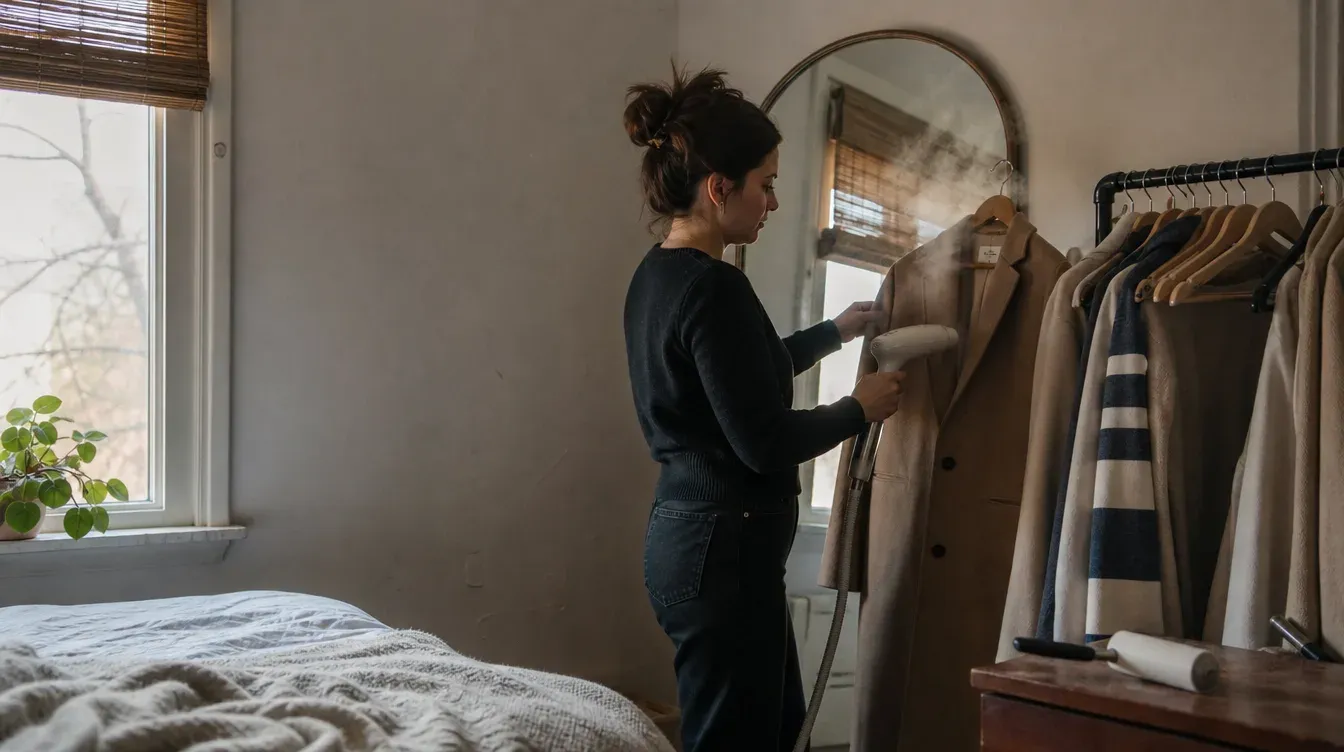
- Neat grooming: a lint roller, a steamer and tidy nails make the whole outfit look higher-end.
- Remove plastic tag fasteners and loose threads before wearing anything new.
Care: keep it looking new
Budget clothes lose their look mostly in the laundry:
- Wash cold and turn dark clothes inside out.
- Air-dry knits and T-shirts. The dryer is the fastest route to shrinking and pilling.
- Use a mesh bag for delicate items.
- Steam instead of iron for most fabrics; it is faster and gentler.
- De-pill sweaters with a fabric shaver.
- Store knits folded and use proper hangers for jackets so shoulders keep their shape.
Smart places to shop
The best “looks expensive” pieces at low prices are often secondhand: quality wool coats, leather bags and good denim. Start with resale apps for clothes, add cashback apps when you buy new, and use student discounts if you qualify.
Frequently asked questions
What is the fastest way to look more put-together?
Fix the fit. Hemming pants to the right length and taking in a loose waist make inexpensive clothes look made for you, which is what reads as expensive.
Which fabrics look cheap?
Thin, shiny polyester, see-through jersey and anything that pills or wrinkles badly. Look for heavier weights, matte finishes and natural fibers or good blends.
Is tailoring worth it on cheap clothes?
For pieces you wear weekly, usually yes. A simple hem often costs less than replacing the item, and it changes how the whole outfit looks.
Do I need designer accessories?
No. Clean, simple accessories without big logos look more refined than visible branding, and they are easy to find secondhand.