Perfume Dupes and Clone Houses: What You Are Actually Buying
 By Laura Jordana · Editor
Published Oct 10, 2026 · 4 min read
In this guide
A clone house is a fragrance brand that builds its catalog around scents that smell similar to well-known designer perfumes, then sells them under its own name for less. Some put the comparison right on the product page; others leave it to reviewers. Here is what that is, why it is legal, and how to avoid paying full price for a bottle that only smells close for the first ten minutes.
What a clone house actually sells
A clone house sells its own juice in its own bottle. The product page may say something like “inspired by” a designer scent so shoppers know what to expect. Dossier is one example: its Canadian FAQ says it creates “blends inspired by brand fragrances” and that it is not affiliated with the brands it mentions.
With a clone you get a scent profile that people compare to a designer one, without the designer’s name, packaging or marketing budget. What you do not get is the original formula. The dupe maker is working from what the original smells like, so the opening may be close while the dry-down, the strength and the lasting power can differ.
Why “inspired by” is legal in the US
The leading US case is R.G. Smith v. Chanel, Inc. (9th Cir. 1968). A small company advertised a perfume as a copy of Chanel No. 5. The appeals court reversed an injunction against the ads, holding that a seller may use another company’s trademark to identify the product it copied, as long as the ad makes no misrepresentations and creates no confusion about who made it. Chanel did not contest the right to copy an unpatented scent; the fight was over the advertising.
What that ruling does not cover:
- Putting the designer’s logo or a look-alike bottle on your product.
- Claiming the scent is the same formula, or made by the designer.
- Selling a bottle that pretends to be the designer product. That is counterfeiting, a separate legal problem entirely.
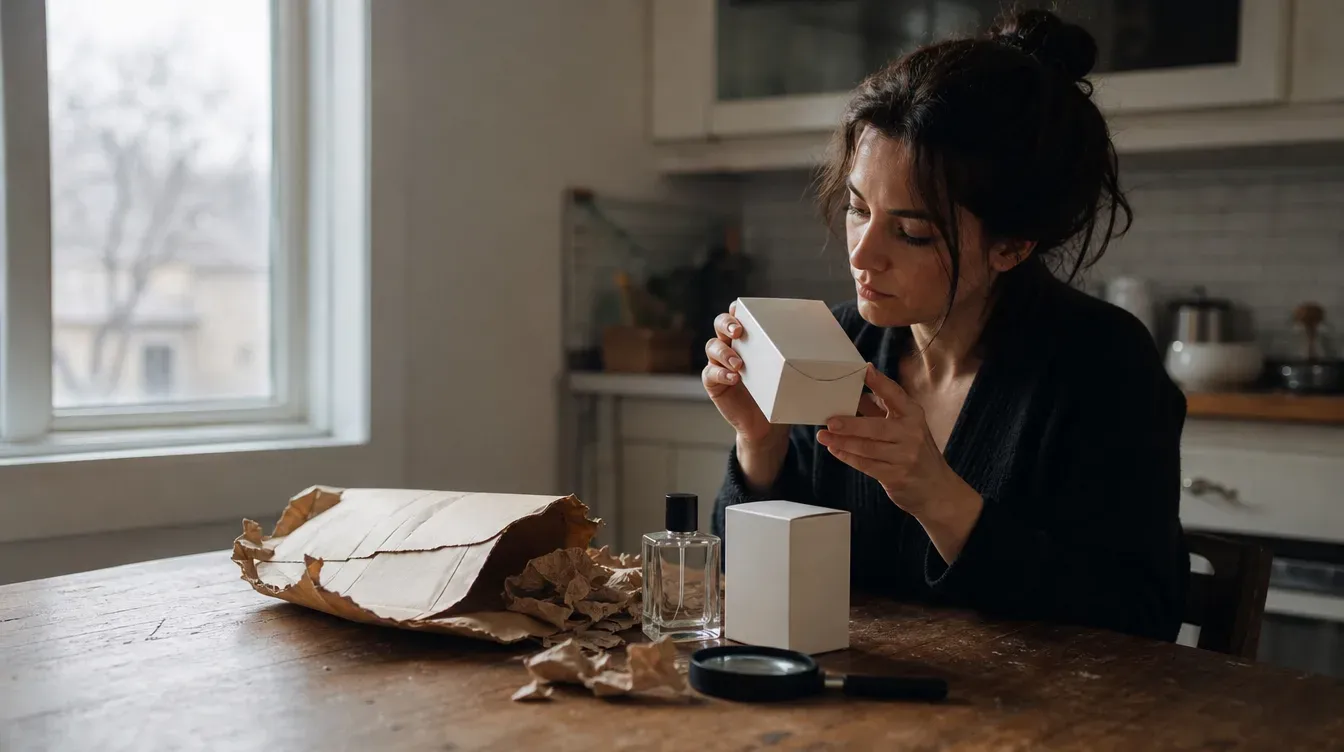
This is US case law. If you shop from Canada, the clone itself is not your legal risk as a buyer; the risk is ending up with a fake from a marketplace seller. Our guide on how to spot fake perfume covers the warning signs.
What it costs and what you get back
Prices vary by brand and change often, so compare by price per milliliter rather than by bottle. Use this as a checklist when you size up a dupe against the original:
| Question | Why it matters |
|---|---|
| Price per ml vs the original | A small bottle can hide a high price per ml |
| Concentration (EDP, EDT, extrait) | A cheaper EDT may need more sprays |
| Return policy on opened bottles | Most stores only take unopened perfume back |
| Shipping and duties | Cross-border orders can add USD at the door |
Worth it if: you like a scent profile, wear it daily, and do not care about the name on the bottle. Skip it if: you want the exact dry-down of the original, or the scent is one you only wear a few times a year, where a small decant of the real thing may cost less overall.
How to sample before buying a full bottle
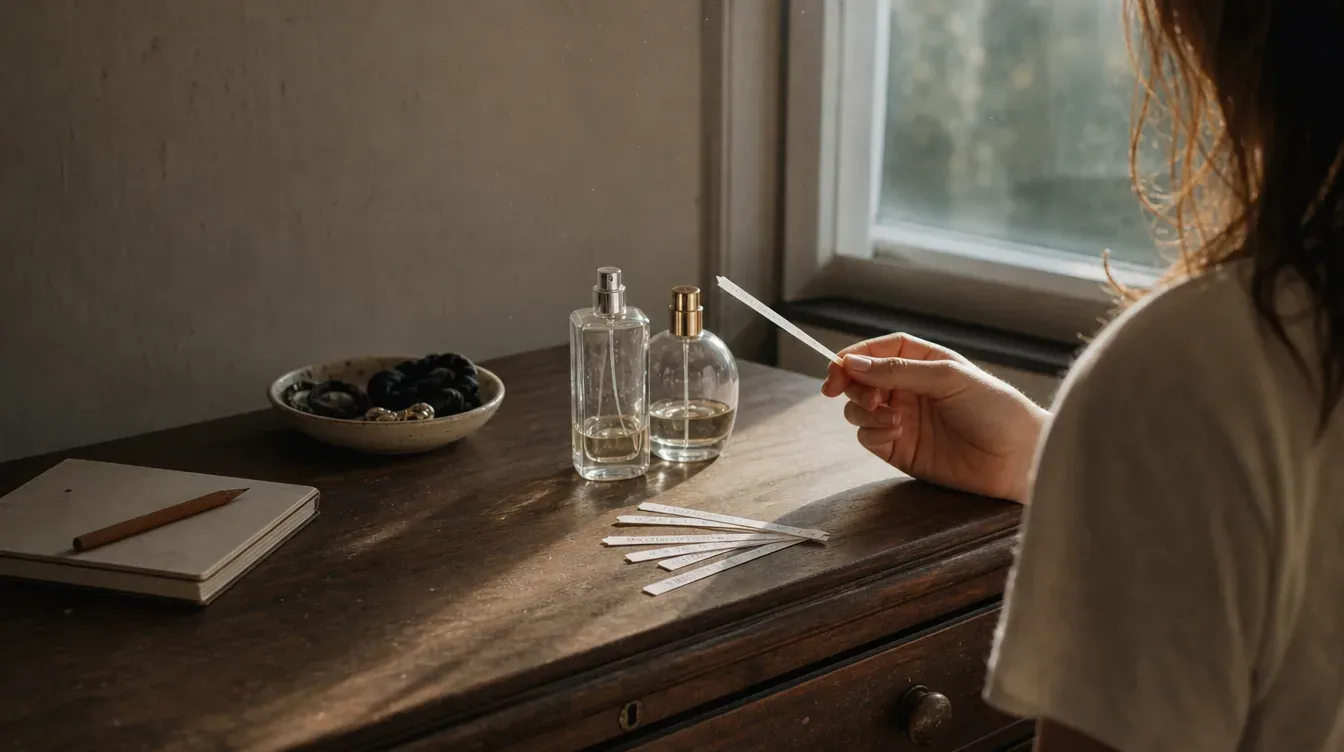
- Smell the original first. Spray a tester on a strip and on your wrist at a store, and note how it smells after an hour.
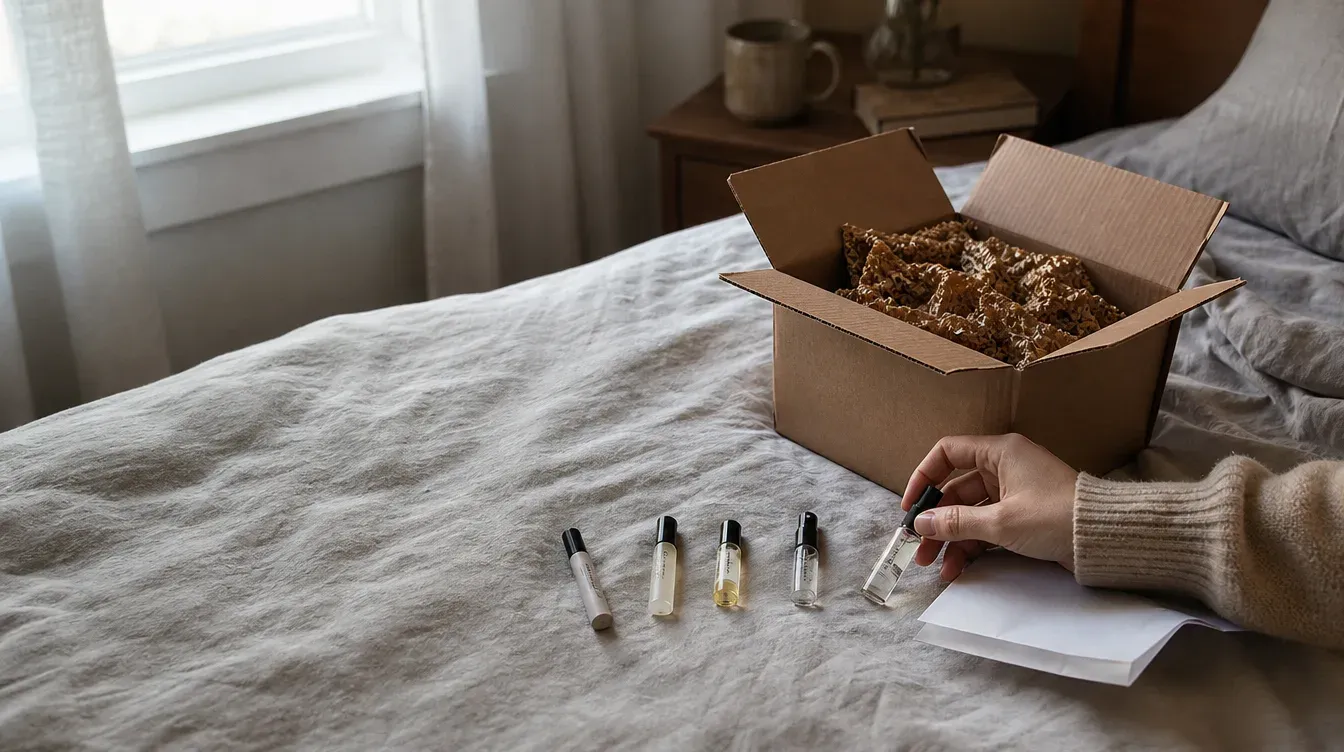
- Buy the smallest size of the dupe. Samples, travel sprays or a decant let you test without committing. See our decants and samples guide.
- Wear both on skin for a full day. Openings can be close; the difference usually shows after a few hours.
- Check the return terms. Dossier’s Canadian FAQ says you can open a full-size bottle, test it and return it, generally within 30 days of delivery, and it notes it is phasing out its 2 ml samples. Read the conditions on shipping refunds before you count on it.
The catch, and the US vs Canada difference
The catch is consistency. A clone house can reformulate without telling you, and reviews of a dupe often compare it to an older version of the original. Reviews that say a dupe is “exactly the same” are opinions, not tests.
In the US, many clone brands sell direct, and big discounters ship nationwide. Check whether a store’s return policy excludes opened fragrance before ordering.
If you want designer bottles for less instead of a dupe, compare discounters in are FragranceNet and FragranceX legit, or see which Zara perfumes people compare to designer scents.
Sources checked October 2026: R.G. Smith v. Chanel, 402 F.2d 562 (9th Cir. 1968), Dossier Canada FAQ.
Frequently asked questions
Are perfume dupes legal?
Selling a scent that smells similar to a designer one is generally allowed in the US. In R.G. Smith v. Chanel (1968), a federal appeals court said a seller could name the original to describe what its product copied, as long as the ad did not mislead buyers about who made it. Using the designer's logo, bottle look or name as if it were your brand is a different matter.
Does a dupe smell the same as the original?
No dupe maker can promise that, and the honest ones do not. A dupe can smell similar on the first spray and then drift apart as it dries down, and how long it lasts can differ a lot.
Is a clone house the same as a counterfeit?
No. A clone house sells its own brand and says the scent is inspired by another. A counterfeit pretends to be the designer bottle. Counterfeits are illegal to import and sell, and they are the real risk on marketplaces.
How do I test a dupe before buying a full bottle?
Buy a sample or decant first, wear it on skin for a full day, and compare it side by side with a tester of the original at a store. Some brands, like Dossier in Canada, also accept returns of opened full-size bottles within a set window.