 BudgetStyleHub
 Online Clothing Size Guide: Measure Once, Order Right
Updated 2026-10-06 · 3 min read
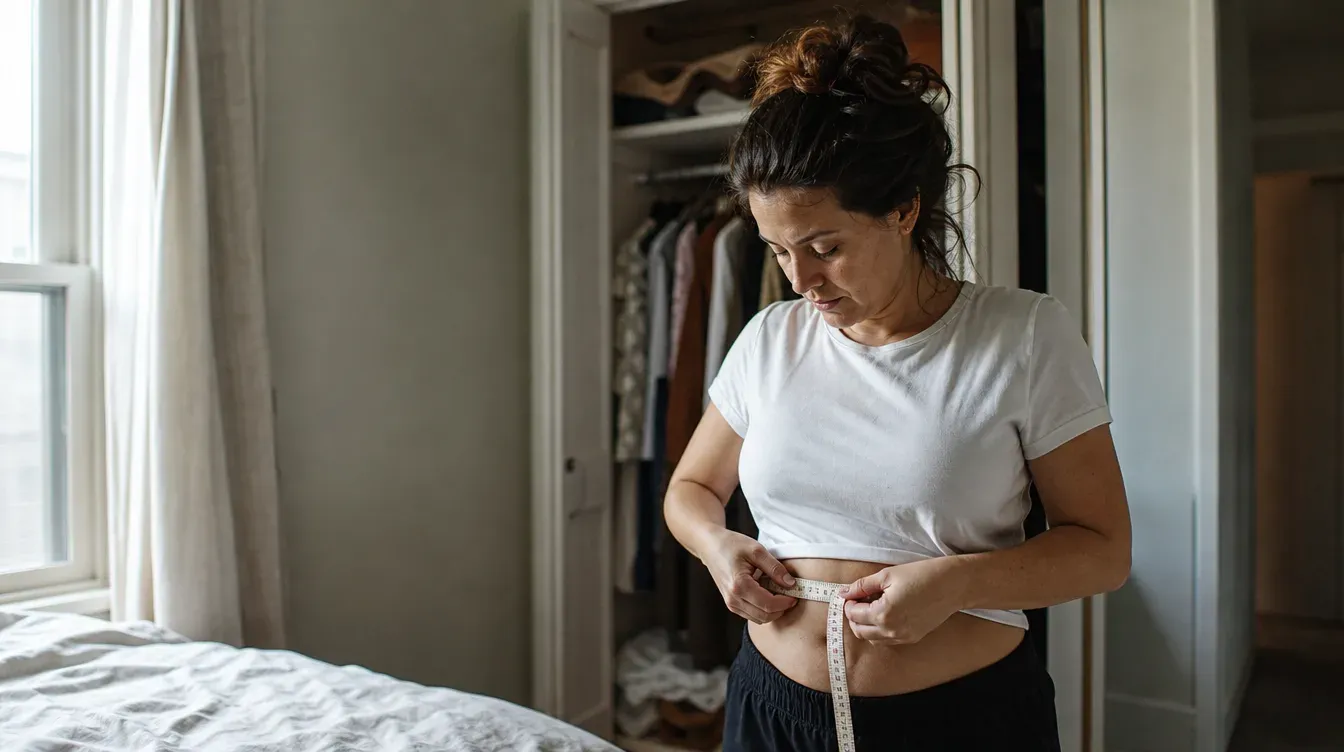
Most online clothing returns come down to fit, and most fit problems come from guessing a size instead of measuring. Ten minutes with a tape measure, plus a few habits for reading charts and reviews, will save you return shipping, restocking fees and frustration.
How to measure yourself
You need a soft tape measure, a mirror, and fitted clothing (or underwear). Keep the tape snug but not tight, parallel to the floor, and breathe normally.
- Bust/chest: around the fullest part of the chest, under the arms and across the shoulder blades.
- Waist: around your natural waist, the narrowest part of your torso, usually just above the belly button.
- Hips: around the fullest part of your hips and seat, feet together.
- Inseam: from the crotch seam to the ankle on a pair of pants that fits you well. Measure the pants, not your leg.
- Shoulder width: across your back, from the edge of one shoulder bone to the other.
- Height: matters for dresses, jumpsuits and “petite” or “tall” lines.
Write the numbers in both inches and centimeters (1 inch = 2.54 cm) and save them in your phone notes. Re-measure every few months.
Reading Asian vs US size charts
Many budget fashion sites sell clothing made for several markets. The label size and the real cut do not always match what you are used to in Canada.
| What you see | What it usually means | What to do |
|---|---|---|
| Sizes like S/M/L with no chart | Fit is unknown | Look for a chart under “Size guide” or skip the item |
| “Asian size” or “Asia” in the listing | Often runs smaller than US labels | Ignore the letter, compare centimeters |
| Measurements in cm only | Precise, but easy to misread | Convert your inches by multiplying by 2.54 |
| Two charts: body and product | Product = flat garment measurement | Compare product numbers with a garment you own |
| “One size” | Built for a range, usually small to medium | Check the bust and length numbers before buying |
On large marketplaces such as SHEIN, Temu and AliExpress, each listing can come from a different factory, so a size M in one dress tells you little about the next one. Check the chart for every item, every time. Our SHEIN vs Temu vs AliExpress comparison covers how returns work on each.
Use reviewers’ fit notes like data
Reviews are your best free fitting room, if you read them carefully:
- Filter for reviews with photos and look for people who list their height, weight or measurements.
- Look for a pattern, not one comment. If many reviewers say “runs small,” believe it.
- Find a reviewer with your measurements and see which size they ordered and how it fit.
- Read the fit summary bar (small / true to size / large) when the site has one, but confirm with written reviews.
- Note the fabric complaints. “See-through,” “no stretch” or “shrank after washing” change which size you should pick.
Fabric and cut change everything
The same measurements can fit very differently depending on the material:
- Knits with spandex/elastane forgive a size difference. Choose for comfort.
- Woven cotton, linen and rigid denim have little give. Size for your largest measurement in that area.
- Oversized or relaxed cuts are designed loose. Sizing down can work if you want a closer fit.
- Bodycon and fitted dresses need accurate bust, waist and hip numbers; follow the chart closely.
Order smarter, return less
- Check the return policy first. Some sites charge for return shipping or restocking, and some items are final sale.
- Order two sizes only where returns are free and easy, and send back the miss quickly.
- Try items on as soon as they arrive, with the tags on, against your saved measurements.
- Keep a fit log: brand, item, size ordered, how it fit. After a few orders you will know which brands run small or large for you.
For extended sizes, see our plus-size online shopping guide. To build outfits that work together so you buy fewer pieces, try a capsule wardrobe under 100.
Frequently asked questions
Should I order my usual size from Asian sites?
Not by default. Many Asian-made lines are cut smaller than US labels suggest. Compare your measurements with the item's own chart, in centimeters if possible.
Which measurement matters most?
It depends on the garment: bust for tops and dresses, waist and hip for pants and skirts, and shoulder width for jackets and structured tops.
What if I'm between two sizes?
Check the fabric. Stretchy knits usually work in the smaller size; woven fabrics without stretch, like denim without elastane or linen, usually need the larger one.
Are product measurements body or garment measurements?
Charts can show either. Body measurements describe the person; garment measurements describe the item laid flat. Read the chart heading before comparing.